
The Different Types of Spas And Which One Is Right for You
You may know you need a spa day long before you know what kind of spa you need.
Perhaps you’re craving a beautiful facial, an afternoon without responsibilities, or several days away from the pace of your everyday life. Each desire points toward something slightly different.
The spa world offers an extraordinary range of experiences, but the language can be confusing. Day spa. Resort spa. Destination spa. Wellness retreat. Thermal spa.
They may all promise relaxation, yet what they offer, and how you feel afterward, can be remarkably different.
Understanding the different types of spas is about more than choosing where to book a massage. It’s about learning to recognize what kind of restoration you need.
The Day Spa: A Moment of Restoration Within Everyday Life
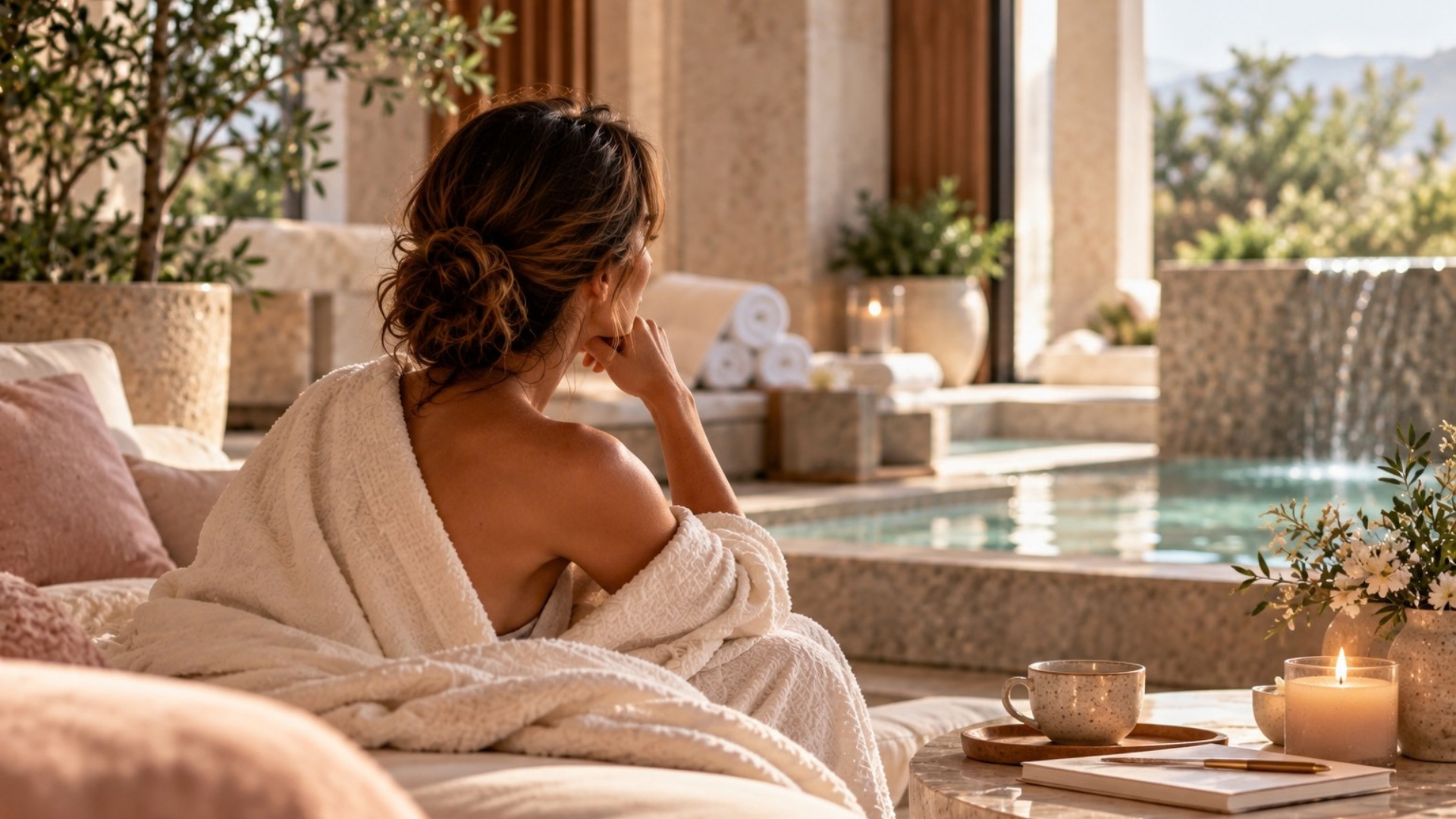
A day spa offers treatments without requiring an overnight stay. You might visit for a facial, massage, body treatment, or a combination of services.
Some day spas are intimate neighborhood sanctuaries. Others offer elaborate lounges, steam rooms, and relaxation areas.
Best for: Someone who wants to incorporate restoration into an existing schedule.
The deeper opportunity is consistency. A monthly facial or quarterly massage can become a meaningful appointment with yourself, rather than something reserved for special occasions.
Before booking, ask whether the spa has relaxation facilities and how much time you’re welcome to spend there. Not every day spa is designed for lingering.
The Resort Spa: Wellness Meets Travel
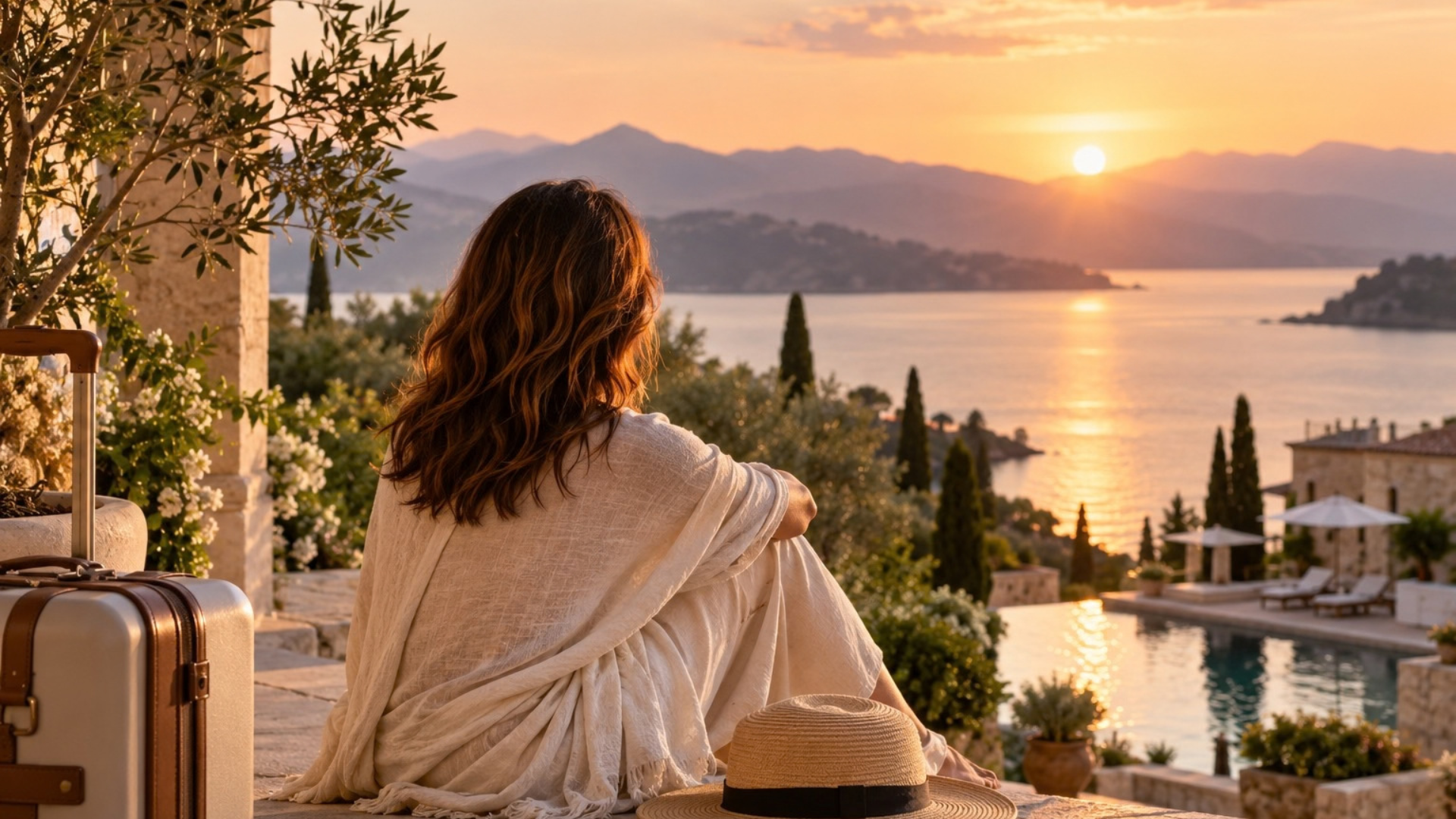
A resort spa exists within a larger hospitality experience, often alongside restaurants, pools, outdoor activities, and luxurious accommodations.
You might spend the morning hiking, the afternoon enjoying a massage, and the evening having dinner with someone you love.
Best for: Travelers who want wellness to be part of a broader vacation.
A resort spa offers the freedom to choose your own balance between activity, pleasure, and rest.
The important distinction is that wellness may be one offering among many, not necessarily the central purpose of the property.
The Destination Spa: When Wellness Becomes the Journey
At a destination spa, the primary purpose of your visit is well-being.
Your experience may include movement, nourishing cuisine, treatments, educational programming, reflection, and personalized guidance.
Unlike a resort vacation where you might book a spa appointment, a destination spa places restoration at the center of the experience.
Best for: Someone seeking deeper renewal, dedicated wellness time, or space to reconsider existing habits.
The most meaningful part may not be the treatment itself. It may be the opportunity to experience a different rhythm of living (and consider which parts you want to bring home).
The Thermal Spa: Restoration Through Water and Temperature
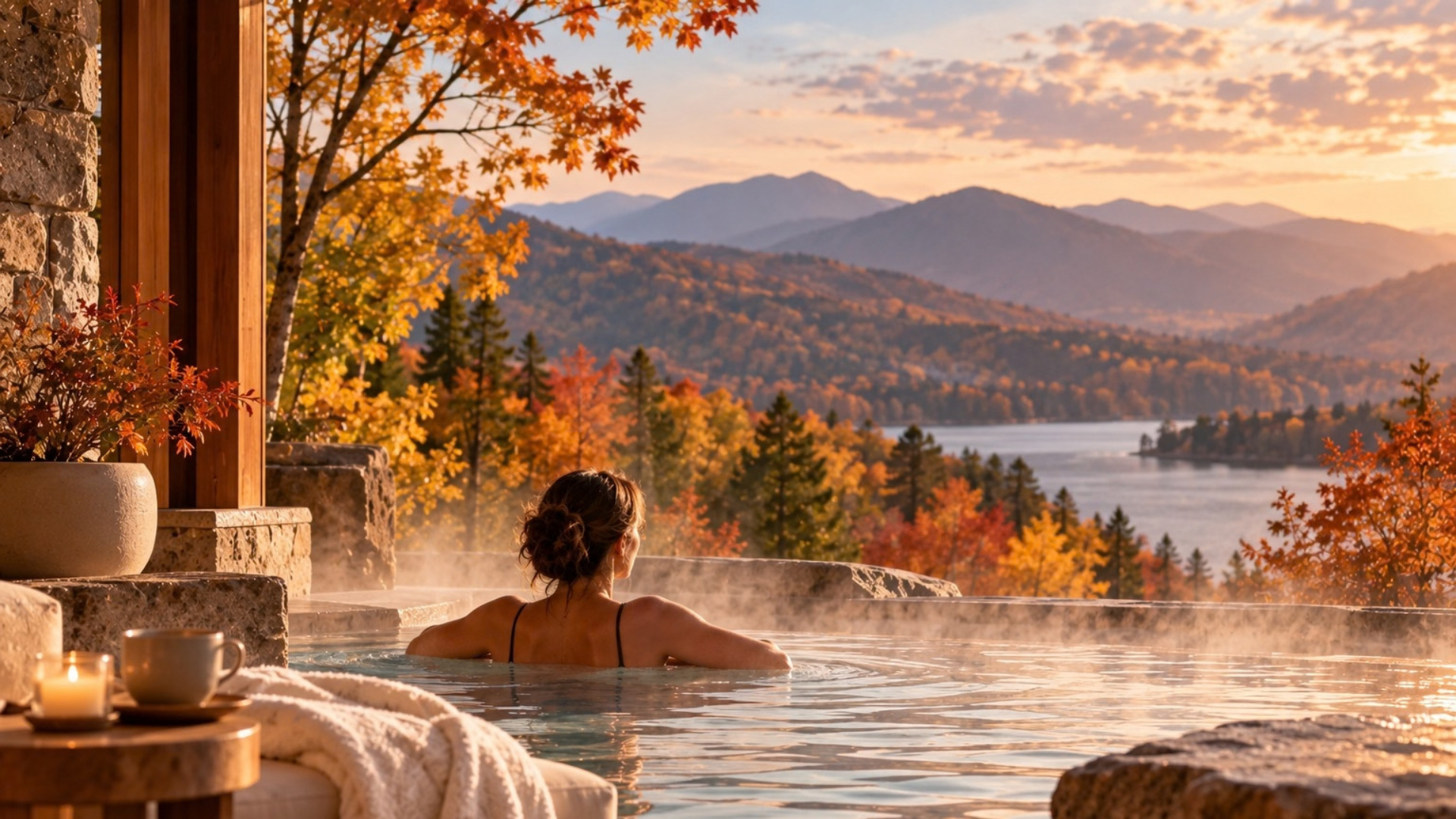
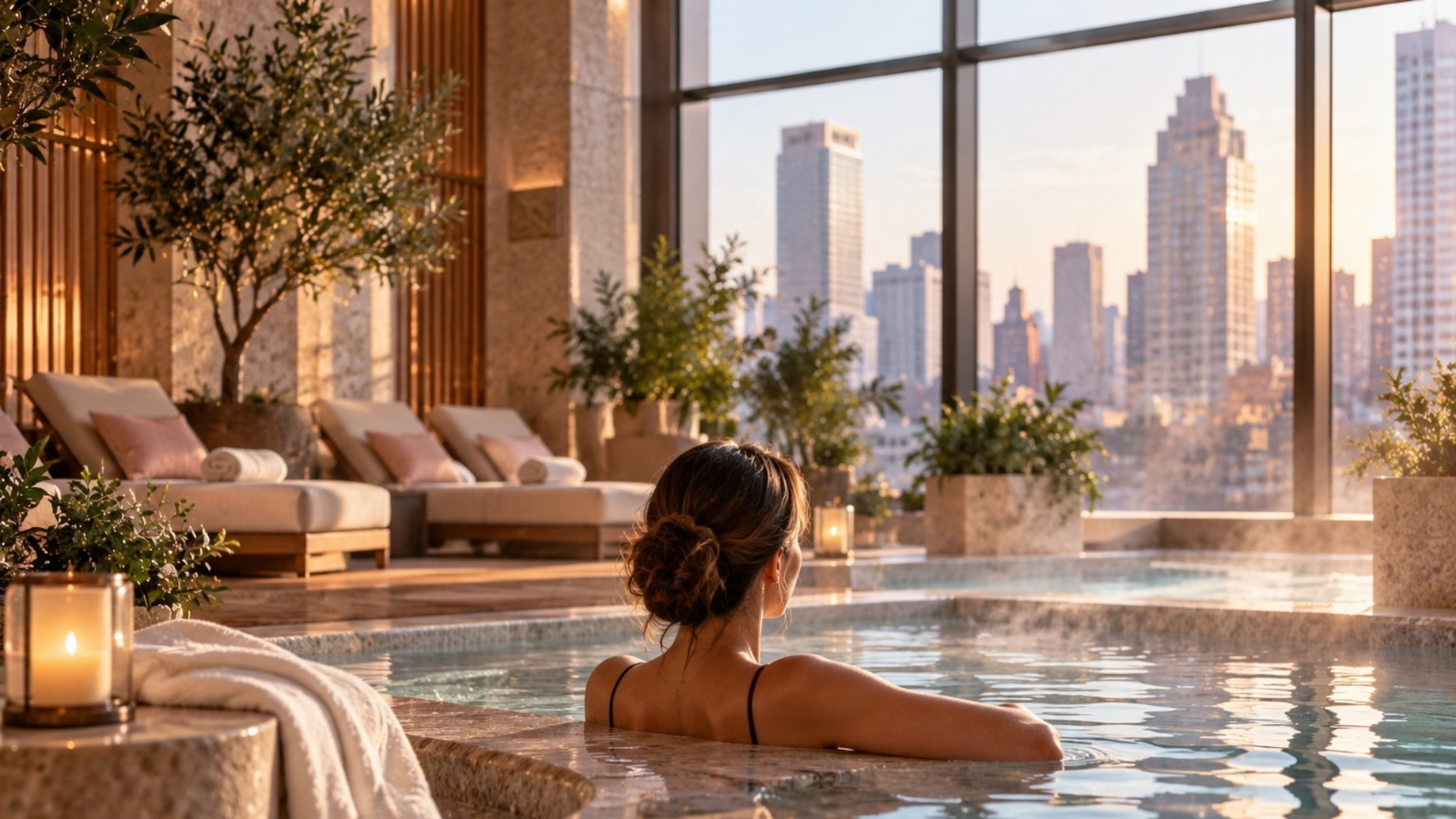
Thermal spas center their experiences around water, heat, and sometimes cold.
Depending on the destination, you might encounter mineral pools, hydrotherapy circuits, saunas, steam rooms, or cold plunges.
These experiences can be both social and contemplative. Some encourage quiet reflection; others draw on centuries-old communal bathing traditions.
Best for: People who enjoy sensory rituals, water-based experiences, and a slower, self-directed spa visit.
Temperature-based treatments aren’t appropriate for everyone, particularly those with certain cardiovascular or medical conditions. Always follow facility guidance and your clinician’s advice when relevant.
The Medical Spa: A More Clinical Approach to Aesthetics
Medical spas, often called med spas, offer aesthetic procedures that may include injectables, lasers, and other medically supervised services.
Their focus is generally different from that of traditional relaxation spas.
Best for: Someone seeking specific aesthetic outcomes rather than a conventional spa experience.
When considering a medical spa, prioritize the qualifications of the treating professional, clinical oversight, safety protocols, and informed consent over beautiful interiors or social media popularity.
The Wellness Retreat: An Experience Built Around Intention
A wellness retreat may take place at a resort, retreat center, private property, or destination spa.
What distinguishes it is often the programming.
A retreat might focus on yoga, mindfulness, creativity, personal reflection, movement, or a particular life transition.
Best for: Someone who wants a structured experience with a specific theme or personal intention.
Unlike traditional spa categories, retreat quality and structure vary considerably. Examine the daily schedule, facilitator credentials, group size, and degree of free time.
How to Choose the Right Spa for You
Rather than beginning with location or price, begin with a more revealing question:
What do I want to feel differently when I leave?
If you want an afternoon of quiet, a day spa may be enough.
If you want pleasure and restoration woven into a vacation, consider a resort spa.
If you need dedicated time to reconnect with yourself, a destination spa or thoughtfully designed retreat may offer greater depth.
And if you’re drawn to the meditative qualities of water, a thermal spa might be exactly what you’re looking for.
The right spa isn’t necessarily the most expensive, the most photographed, or the most famous.
It’s the one that understands the experience you’re hoping to have.
Reflection / journal prompt
If you could design a spa experience around what you genuinely need right now, not what looks beautiful online, what would that experience include?
Choose Your Next Step
Explore the Little Pink Book of Spas.
Discover different spa experiences and begin finding places that align with your personal vision of restoration.