
Spa Guide: Spa Etiquette
If you’ve ever worried about doing the “wrong” thing at a spa, you’re not alone. From tipping and talking during a massage to what happens in the treatment room, this guide answers the most common spa etiquette questions so you can feel confident, comfortable, and relaxed before your visit. Remember, spa etiquette isn’t about memorizing rules, it’s about understanding what to expect and communicating what you need.
How early should i arrive at the spa?
Plan to arrive 30–60 minutes before your treatment, especially if it’s your first visit or you plan to use the spa amenities. This gives you time to check in, complete any health forms, change into your robe, and begin relaxing before your appointment.
If you’re visiting a day spa without additional amenities, arriving about 15–20 minutes early is usually sufficient. At resort and destination spas, however, the sauna, steam room, whirlpool, and relaxation lounge are all part of the experience and worth enjoying before your treatment begins.
Starting your spa day without feeling rushed is one of the easiest ways to get more from your visit.
What happens if I am late?
If you’re running late, call the spa as soon as possible.
Most spas will do their best to accommodate you, but your treatment may need to be shortened so the next guest’s appointment isn’t delayed. In many cases, you’ll still be charged for the full scheduled service.
Arriving on time—or a little early—not only helps you enjoy the full treatment but also allows your day to begin in a calm, relaxed way instead of feeling rushed.
What happens during check-in?
Check-in is usually quick and straightforward. After arriving, you’ll confirm your reservation, complete any necessary health or intake forms, and let the staff know about any injuries, allergies, or preferences that could affect your treatment.
Most spas will provide a robe, sandals, locker, and directions to the changing rooms and relaxation areas. If it’s your first visit, don’t hesitate to ask questions—spa staff are accustomed to helping first-time guests feel comfortable and explaining how everything works.
The goal of check-in isn’t paperwork, it’s helping you transition from your busy day into a more relaxed state of mind.
Can I request a male or female therapist?
Yes. Most spas are happy to accommodate requests for a male or female therapist whenever possible, especially if it helps you feel more comfortable during your treatment. While availability can’t always be guaranteed, it’s best to make your preference when booking your appointment rather than waiting until you arrive.
Professional massage therapists are trained to provide respectful, therapeutic care regardless of gender. The most important thing is that you feel relaxed and comfortable throughout your experience.
Will i be completely undressed?
Before your treatment begins, your therapist will explain the service, ask about any preferences or health concerns, and then leave the room so you can undress privately to your comfort level and get onto the treatment table beneath the sheet or blanket.
When you’re ready, your therapist will knock before re-entering the room. Throughout the treatment, you’ll remain professionally draped, with only the area currently being worked on uncovered. Your privacy and comfort are always a priority, and your therapist will explain anything you should expect during the service.
If you’ve never had a massage before, this part of the experience often feels much more comfortable than people imagine. Professional draping is designed to protect your privacy while allowing the therapist to perform the treatment safely and effectively.
Is nudity required for a massage?
No. You should never feel pressured to remove more clothing than you’re comfortable with.
Many guests choose to remove all of their clothing for a full-body massage because it allows the therapist to work more effectively, but keeping your underwear on is also completely acceptable. Professional therapists are trained to adapt the treatment while maintaining appropriate draping and respecting your comfort level.
It’s also worth remembering that spa customs vary around the world. Expectations around draping, disposable garments, and modesty can differ depending on the country and spa tradition. While practices may vary internationally, one principle remains the same: your comfort and dignity should always be respected.
What if i feel uncomfortable during a treatement?
Always speak up.
If something doesn’t feel right during your treatment, let your therapist know right away. Whether the pressure is too deep, the room is too warm or cold, the table isn’t comfortable, or you’re unsure about a technique, your therapist wants your feedback. Small adjustments can make a big difference to your comfort and relaxation.
You should also speak up immediately if you experience pain, dizziness, nausea, anxiety, or anything that feels physically or emotionally uncomfortable. Professional therapists expect and encourage this kind of communication. They would much rather make an adjustment than have you endure a treatment that isn’t working for you.
Remember, a spa treatment is something you experience with your therapist, not something that happens to you. Your comfort, safety, and boundaries should always be respected.
Is it okay to pause my treatement if I need the restroom, water, a tissue?
Absolutely.
Spa professionals understand that unexpected needs arise during treatments. If you need to use the restroom, take a sip of water, grab a tissue, or make another brief pause, simply let your therapist know. They would much rather pause the treatment for a few minutes than have you spend the rest of the session distracted or uncomfortable.
Can I ask my therapists to adjust the pressure?
Absolutely.
In fact, your therapist expects it. Massage pressure is highly personal, and what feels relaxing to one guest may feel too light or too intense for another.
Don’t hesitate to ask for lighter or deeper pressure at any point during the treatment. You can also mention areas that need extra attention or areas you’d prefer your therapist avoid.
The best massage isn’t the one with the deepest pressure—it’s the one that’s right for your body.
Should I talk during my massage?
There’s no right or wrong answer. Some guests enjoy quiet conversation, while others prefer complete silence.
Your therapist will usually follow your lead. If you’d like to chat, that’s perfectly fine. If you’d rather simply relax, closing your eyes and remaining quiet naturally signals your preference.
Many people find they relax most deeply when they allow themselves to disconnect from conversation altogether. Remember, this is your treatment, and the experience should feel comfortable for you.
What if I fall asleep during my treatement?
It’s completely normal (and many therapists consider it a compliment).
Massage and other spa treatments are designed to help your body relax, so drifting off to sleep simply means you’re comfortable and letting go of tension. Your therapist will gently wake you when the treatment is finished.
There’s no need to apologize if you fall asleep. You’re certainly not the first guest to do so.
Are spa customs around the world different?
Yes. While the goal of relaxation is universal, spa customs vary considerably from country to country. Expectations around attire, draping, tipping, conversation, gender-specific facilities, and even treatments themselves may be very different from what you’re used to at home.
Understanding these differences before you travel can help you feel more comfortable and confident during your visit. Many customs that initially seem unfamiliar are simply part of that destination’s wellness traditions and are completely normal for local guests.
How much should i tip at the spa?
If gratuity isn’t already included, a tip of 15–20% is customary in many spas, particularly in the United States.
Some luxury resorts and destination spas automatically include gratuity or a service charge, so it’s always worth checking your bill before adding an additional tip.
If you received exceptional service and gratuity isn’t included, tipping is a thoughtful way to recognize your therapist’s care and professionalism.
Should I tip if gratuity is inlcuded?
Usually, no.
Many resort and destination spas automatically add a service charge or gratuity to your bill. If that’s the case, there’s generally no expectation to tip again unless you feel your therapist provided exceptional service and you’d like to offer something extra.
If you’re unsure whether gratuity has already been included, simply ask the front desk before paying.
Can I use my phone at the spa?
Most spas encourage guests to silence or put away their phones throughout their visit.
Relaxation lounges, treatment areas, and wellness spaces are designed to be peaceful environments where everyone can unwind without distractions. If you need to make or answer a call, it’s best to step outside the spa or into a designated area.
One of the greatest benefits of a spa visit is the opportunity to disconnect, even if only for a few hours.
Do i need to be quiet in the relaxation areas?
Yes.
Relaxation lounges are intended to be quiet spaces where guests can read, rest, meditate, or simply enjoy a few moments of peace before or after their treatments.
If you’re visiting with a friend, keep conversations soft and brief, and be mindful of others who may be enjoying the silence.
One of the nicest things about a spa is that everyone shares responsibility for creating the peaceful atmosphere.
What are the unspoken rules of spa etiquette?
Spa etiquette isn’t about following strict rules—it’s about helping create a relaxing experience for everyone.
Arrive on time, silence your phone, speak quietly in shared spaces, communicate openly with your therapist, shower before using pools or thermal facilities, and respect the privacy and personal space of other guests.
Most importantly, remember that spas are welcoming places. You don’t need to know every custom before you arrive. Simply being considerate of the people around you, and communicating your own needs, is the best spa etiquette of all.
Welcome to the Spa Guide! Whether you’re planning your very first spa visit or you’ve been enjoying spas for years, chances are you’ve had questions along the way.
That’s why I’ve created this Spa Guide, a growing collection of answers to the questions people ask most, along with practical guidance to help you make informed choices before, during, and after your spa experience.
While You Are Here
- Discover your Spa Archetype
- Browse the Little Pink Book
- Read more Spa Guide articles
Spa Guide Home | Spa Quiz | Shop | About | Find Spas
Featured Spa Guide Articles
-
-
 August 12, 2026
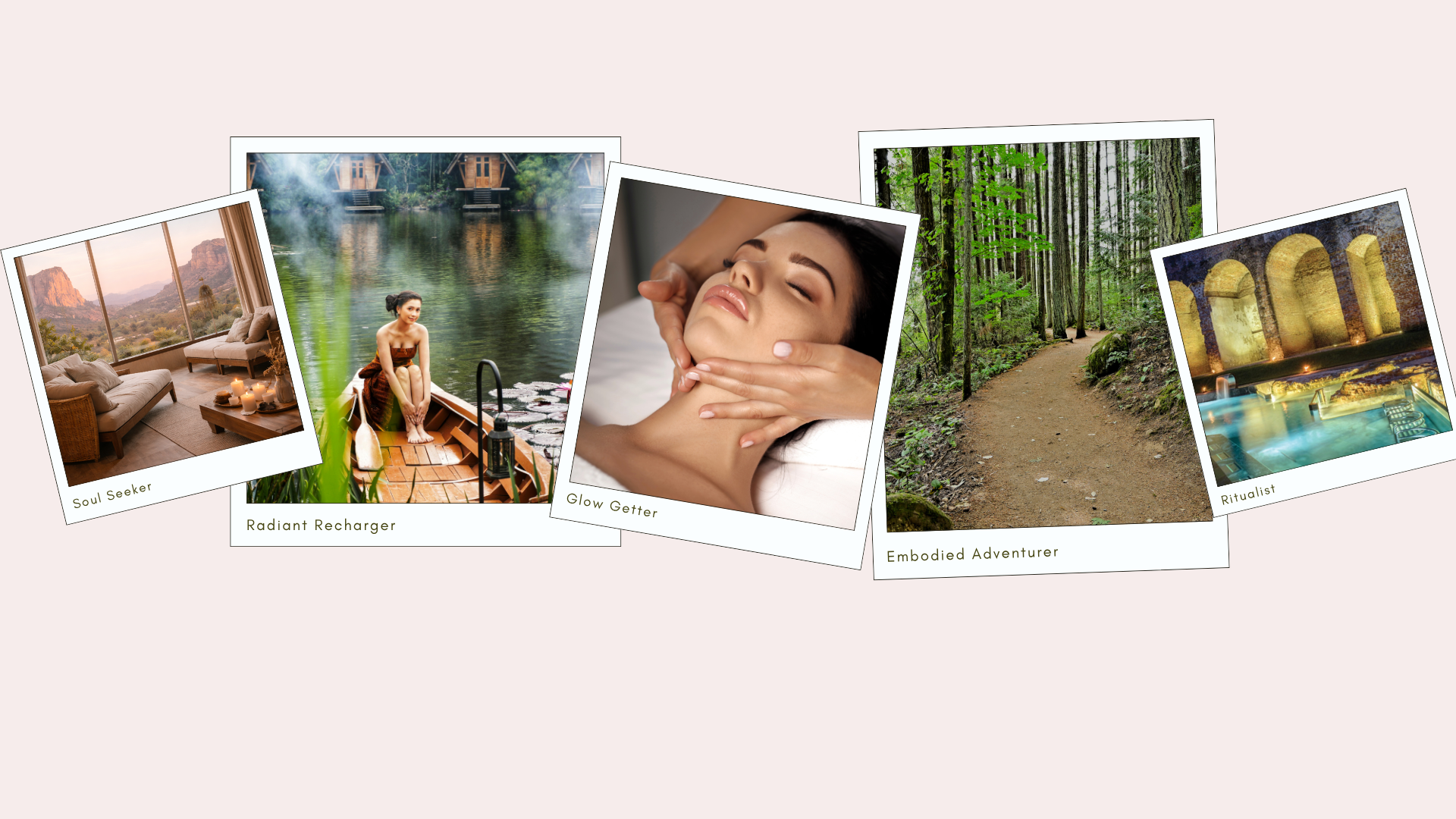
Best Destination Spas For Solo Travelers (By Archetype)
Choosing a destination spa can feel surprisingly overwhelming. Should you head to the dese...
-
 August 19, 2026
Common Spa Mistakes (and How to Avoid Them)
A spa experience should leave you feeling lighter than when you arrived. Yet many guests u...
-
 April 15, 2026
Destination Spa vs Resort Spa: What You Actually Need
Not all spas are created for the same purpose. And one of the most common points of confus...