Why Your Nervous System Has a “Spa Personality” (And Why It Matters)
Not all rest feels restorative — because not all nervous systems recharge the same way.
There’s a moment many people experience on a spa trip — though they may not have words for it.
They arrive tired, overstimulated, carrying the weight of daily life.
And then, almost immediately, something shifts.
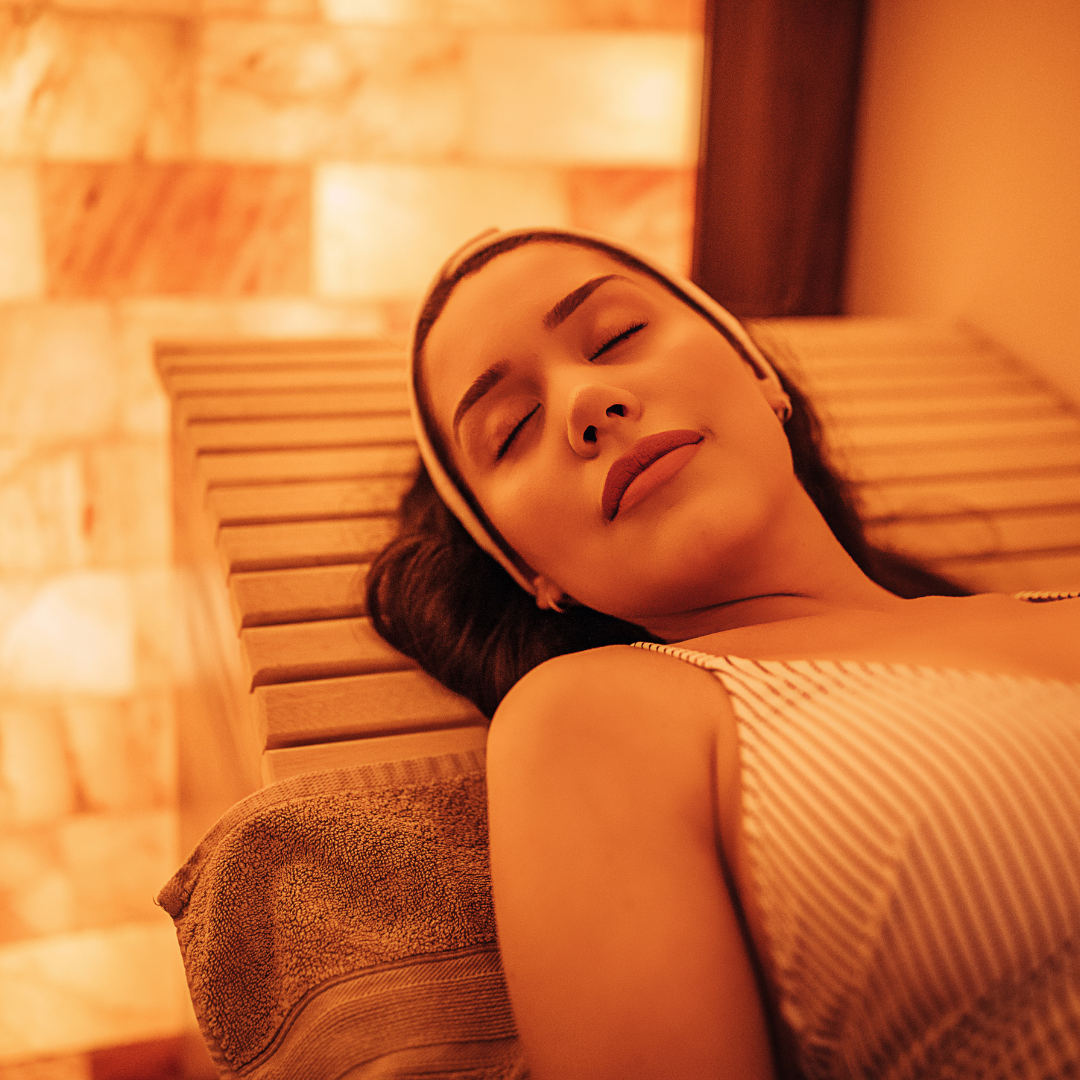
Their breathing slows.
Their shoulders soften.
Their thoughts quiet.
It isn’t just relaxation.
It’s recognition.
Their nervous system has found an environment where it can finally settle.
And this is where many people begin to notice something curious:
Some spa environments feel deeply nourishing — even life-changing — while others feel pleasant but forgettable.
The difference is not always the treatments.
It’s not always the luxury.
More often than not, it’s alignment.
Because just as we have personality types, we also have what could be called a “spa personality” — a unique way our nervous system prefers to rest, restore, and receive care.
Not All Rest Feels the Same
Think about how differently people respond to the same environment.
One person feels peaceful in total silence.
Another feels uneasy without gentle background sound.
One thrives in structured schedules and guided classes.
Another relaxes only when they have complete freedom to choose their own pace.
Some people feel deeply nourished by social connection and shared experiences.
Others need solitude to truly recharge.
None of these responses are wrong.
They simply reflect how each nervous system is wired to restore itself.
Yet many of us approach self-care — and even spa experiences — as if there is a single “correct” way to relax.
This can lead to a subtle but important disconnect.
We may be doing all the “right” wellness activities, but still feel strangely unrestored.
When Self-Care Doesn’t Feel Restorative
This is one of the quiet reasons so many high-functioning women struggle with burnout despite prioritizing wellness.
They are not lacking effort.
They are often doing more than enough.
But the care they are receiving may not match what their nervous system actually needs.
A highly stimulating spa environment may overwhelm someone who restores through quiet.
An unstructured retreat may create anxiety for someone who feels safest with clear guidance.
A deeply introspective setting may feel uncomfortable for someone whose nervous system replenishes through movement and activity.
In other words:
Rest is not one-size-fits-all.
And nourishment cannot be forced.
Understanding Your Unique Restoration Style
This is where frameworks like Human Design can offer a helpful lens.
At its heart, Human Design is simply a system that explores how individuals naturally interact with energy — including how they restore it.
Some people are wired to replenish through external stimulation and engagement.
Others require stillness, space, and quiet observation.
Some restore best when guided by trusted experts.
Others need autonomy and self-directed experiences.
When these preferences are honored, restoration happens more easily and more deeply.
When they are ignored, even the most beautiful spa environment can feel subtly draining.
Why This Matters for Your Wellbeing
Understanding your unique “spa personality” can change the way you approach self-care entirely.
Instead of asking:
“What is the most popular treatment?”
or
“What kind of spa should I choose?”
You begin asking a more meaningful question:
“What kind of environment helps my nervous system feel safe enough to rest?”
This shift moves self-care away from performance and toward alignment.
It also explains why some spa experiences linger in memory long after the treatments are over.
They did more than relax you.
They matched you.
And when that happens, restoration becomes effortless.
Because transformation often happens not because a spa does more —
but because it asks less of you.
✨ Reflection Prompt (Consistent with Your Blog Style)
Take a moment to consider:
When have you felt most deeply restored — not distracted, not excited, but truly replenished?
What did that environment have in common?
Was it quiet or structured?
Social or solitary?
Nature-based or sensory-rich?
Your answer may already be revealing the conditions your nervous system needs most.
Why Your Nervous System Has a “Spa Personality” (And Why It Matters)
Not all rest feels restorative because not all nervous systems recharge the same way.
There’s a moment many people experience on a spa trip — though they may not have words for it.
They arrive tired, overstimulated, carrying the weight of daily life.
And then, almost immediately, something shifts.
Their breathing slows.
Their shoulders soften.
Their thoughts quiet.
It isn’t just relaxation.
It’s recognition.
Their nervous system has found an environment where it can finally settle.
And this is where many people begin to notice something curious:
Some spa environments feel deeply nourishing — even life-changing — while others feel pleasant but forgettable.
The difference is not always the treatments.
It’s not always the luxury.
More often than not, it’s alignment.
Because just as we have personality types, we also have what could be called a “spa personality” — a unique way our nervous system prefers to rest, restore, and receive care.
Not All Rest Feels the Same
Think about how differently people respond to the same environment.
One person feels peaceful in total silence.
Another feels uneasy without gentle background sound.
One thrives in structured schedules and guided classes.
Another relaxes only when they have complete freedom to choose their own pace.
Some people feel deeply nourished by social connection and shared experiences.
Others need solitude to truly recharge.
None of these responses are wrong.
They simply reflect how each nervous system is wired to restore itself.
Yet many of us approach self-care — and even spa experiences — as if there is a single “correct” way to relax.
This can lead to a subtle but important disconnect.
We may be doing all the “right” wellness activities, but still feel strangely unrestored.
When Self-Care Doesn’t Feel Restorative
This is one of the quiet reasons so many high-functioning women struggle with burnout despite prioritizing wellness.
They are not lacking effort.
They are often doing more than enough.
But the care they are receiving may not match what their nervous system actually needs.
A highly stimulating spa environment may overwhelm someone who restores through quiet.
An unstructured retreat may create anxiety for someone who feels safest with clear guidance.
A deeply introspective setting may feel uncomfortable for someone whose nervous system replenishes through movement and activity.
In other words:
Rest is not one-size-fits-all.
And nourishment cannot be forced.
Understanding Your Unique Restoration Style
This is where frameworks like Human Design can offer a helpful lens.
At its heart, Human Design is simply a system that explores how individuals naturally interact with energy, including how they restore it.
Some people are wired to replenish through external stimulation and engagement.
Others require stillness, space, and quiet observation.
Some restore best when guided by trusted experts.
Others need autonomy and self-directed experiences.
When these preferences are honored, restoration happens more easily and more deeply.
When they are ignored, even the most beautiful spa environment can feel subtly draining.
Why This Matters for Your Wellbeing
Understanding your unique “spa personality” can change the way you approach self-care entirely.
Instead of asking:
“What is the most popular treatment?”
or
“What kind of spa should I choose?”
You begin asking a more meaningful question:
“What kind of environment helps my nervous system feel safe enough to rest?”
This shift moves self-care away from performance and toward alignment.
It also explains why some spa experiences linger in memory long after the treatments are over.
They did more than relax you.
They matched you.
And when that happens, restoration becomes effortless.
Because transformation often happens not because a spa does more —
but because it asks less of you.
Reflection Prompt
Take a moment to consider:
When have you felt most deeply restored — not distracted, not excited, but truly replenished?
What did that environment have in common?
Was it quiet or structured?
Social or solitary?
Nature-based or sensory-rich?
Your answer may already be revealing the conditions your nervous system needs most.
If you’d like to understand your unique restoration style more deeply…
Ask Love to Spa offers a personalized Signature Spa Profile designed to help you discover:
• How your nervous system naturally restores
• The environments where you relax most easily
• The spa experiences and treatments best aligned with your energy
Because self-care becomes most powerful when it isn’t generic —
but tailored to who you truly are.